
INDUSTRIAL
TECHNOLOGIES
Our technology scope covers the entire bulk material handling process: raw material reception, silo unloading, conveying, separation, dosing and flow control, through to the final delivery of end products in small bags, big bags or by bulk loading into trucks.
See all Industrial Technologies

 Magnetic Separation Equipment

 Slide gates

 Rotary Valves

 Vibrating Equipment

 Weighing & Feeding Systems

 Mechanical & Pneumatic Conveying

 Vacuum Cleaners & Dust Filters
 Filling & Emptying Systems

 Loading Chutes

 Packaging, Palletizing, Wrapping Systems
Filling & Emptying Systems
Dust-tight filling and discharging of big bags (FIBC), small sacks and containers — with integrated weighing, flow aids and telescopic spouts.
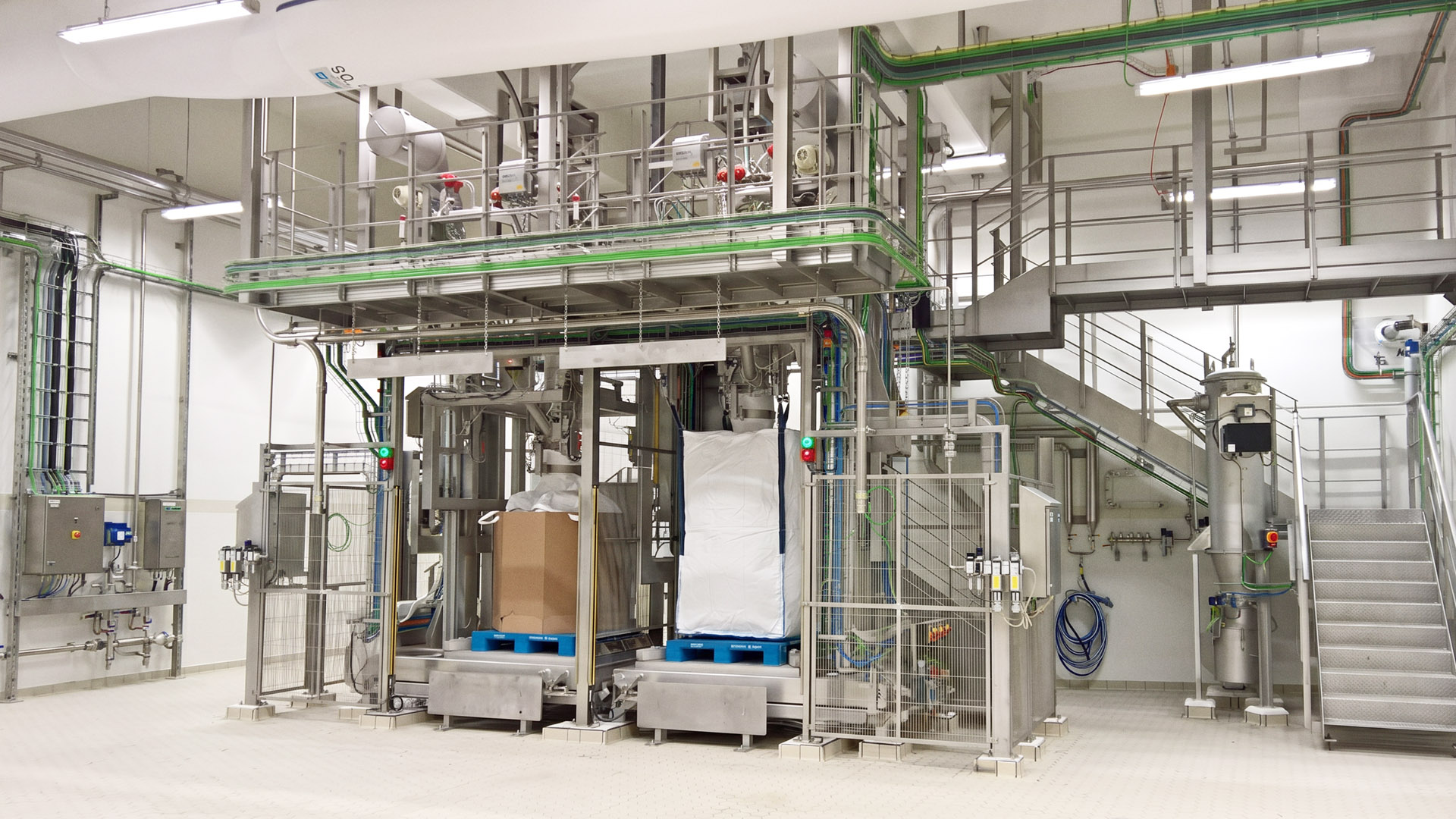
Our portfolio includes solutions for filling and emptying of bulk solids across big bags (FIBCs), small sacks and containers, designed to ensure safe and dust-tight product transfer.
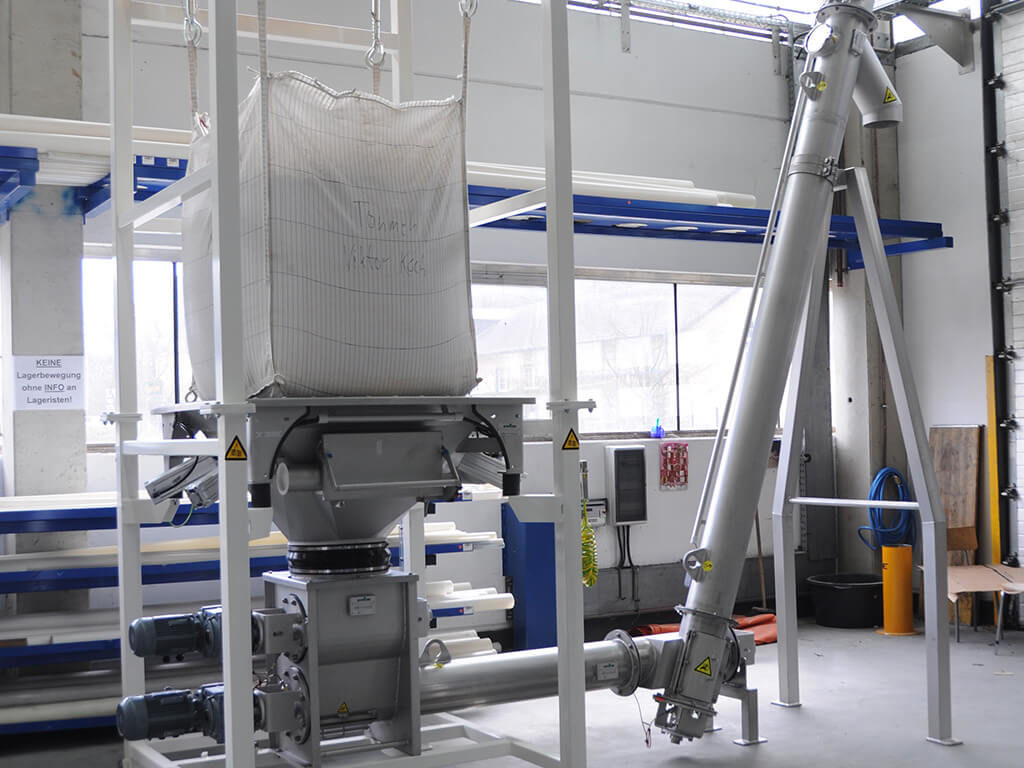
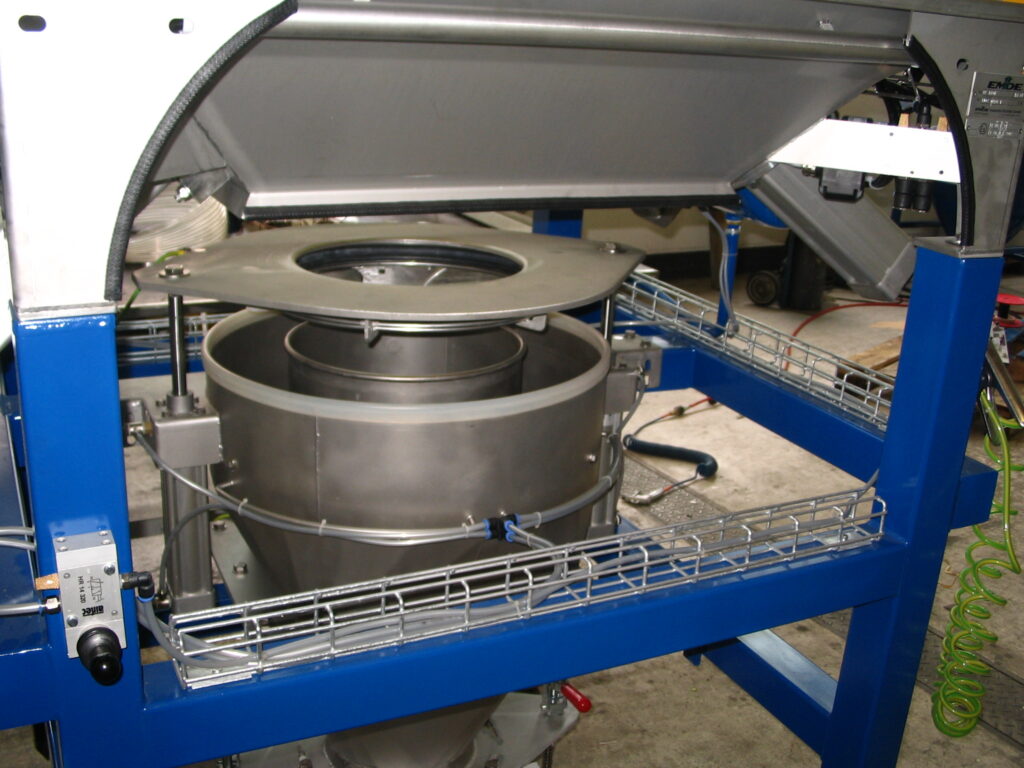
Utilizing high-precision mechanical docking, inflatable spout seals and pneumatic clamping rings, these stations establish a fully contained material path that prevents dust emissions and protects operator breathing zones.
To ensure complete product discharge and combat cohesive material bridging, emptying systems integrate active massagers, vibration pads or other mechanisms meant to fluidize compacted materials.
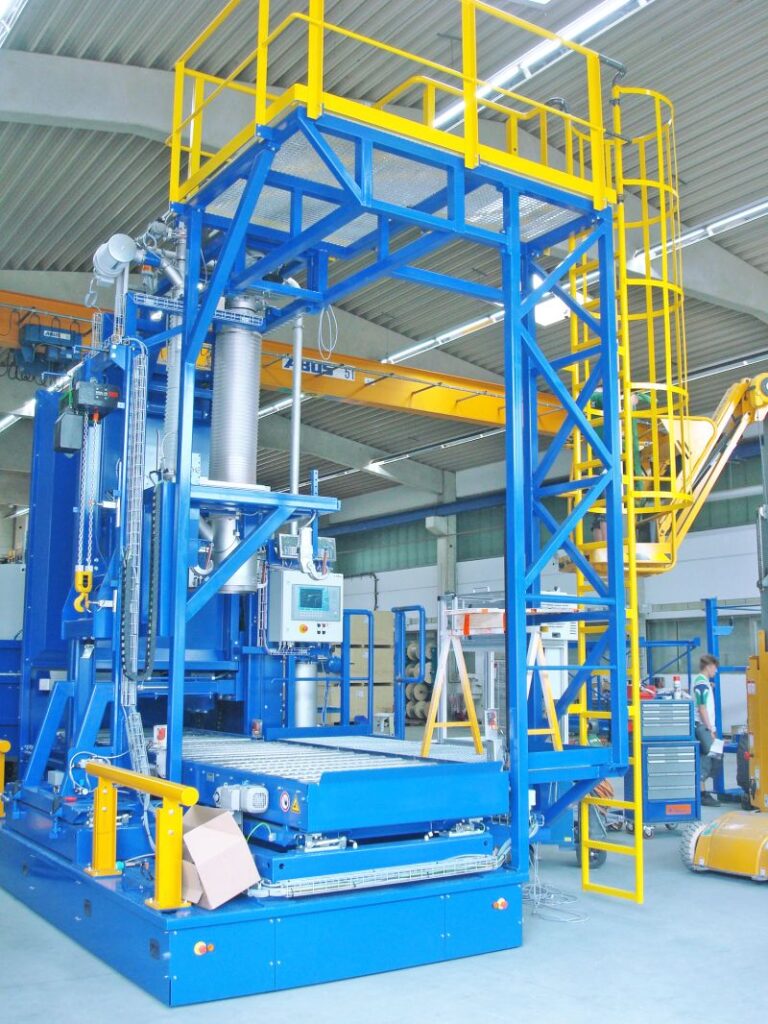
For loading operations, the system focuses on high accuracy material dosing, integrated load cells (where case) and telescopic spouts to deliver accurate, high-capacity volumetric or gravimetric filling, while maintaining total system isolation.
Bulk Bag Filling & Emptying Systems are used for handling bulk materials at key transfer points where products need to be either introduced into or discharged from the process in large quantities. They provide a controlled interface between bulk packaging and the production line, ensuring safe and efficient material flow.
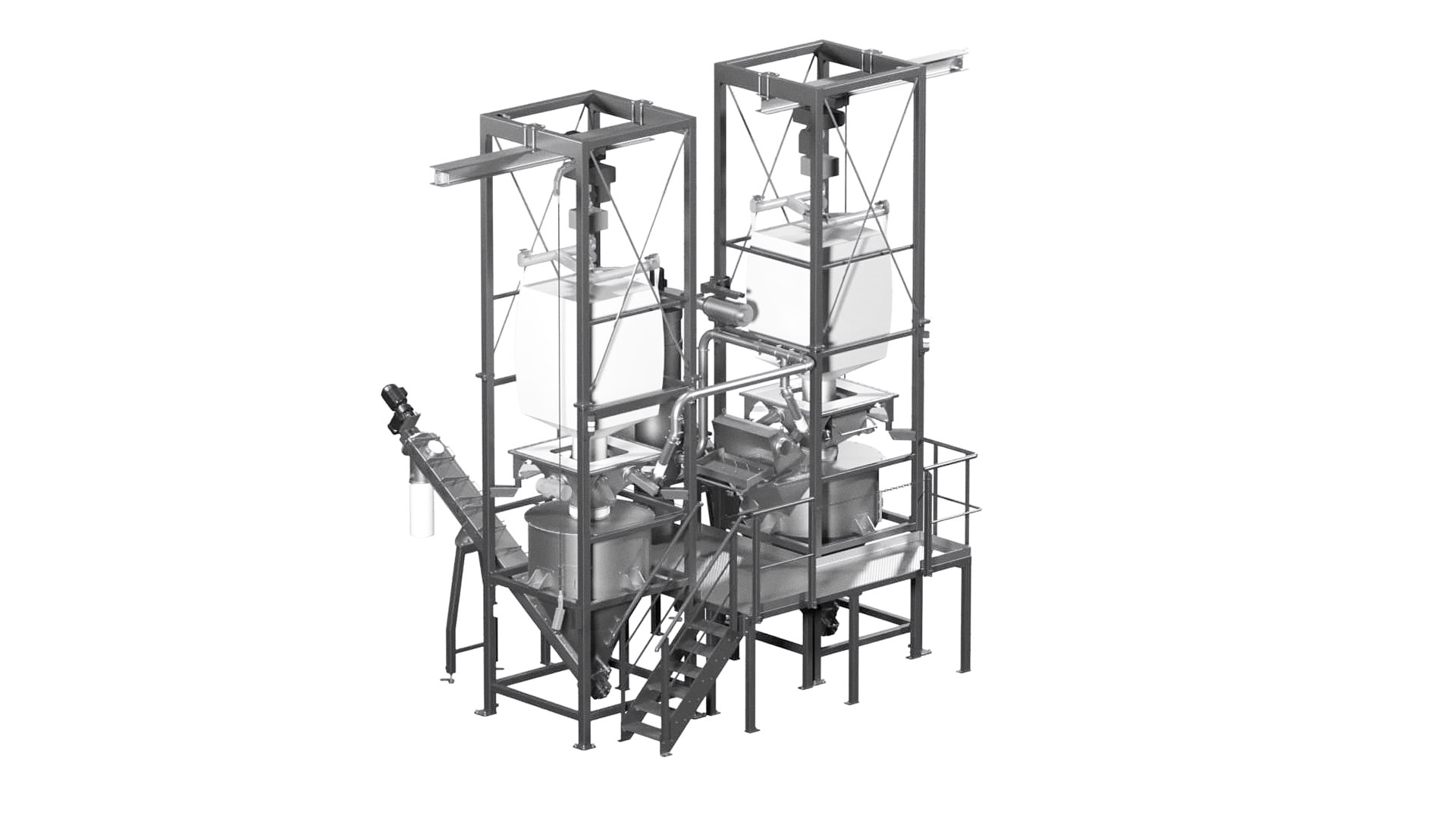
For emptying operations, the stations are designed to discharge material from big bags into downstream equipment such as conveyors, feeders, or silos. Systems typically include bag support frames, lifting devices and discharge aids to promote consistent flow, especially when dealing with cohesive or poorly flowing powders. Additional features such as massage paddles, vibration or fluidization can be applied to avoid bridging and ensure complete emptying.
For filling operations, big bag filling stations allow accurate and dust-controlled loading of material into bags. These systems use integrated weighing technologies to monitor the filling process and achieve the required target weight, while maintaining stability of the bag through proper support and positioning.
Depending on the application, both filling and emptying stations can incorporate dust extraction, sealing elements and automation features, ensuring a clean working environment and reliable handling of a wide range of bulk materials, while ensuring the expected productivity for your process.
Big Bags products
Industries we serve
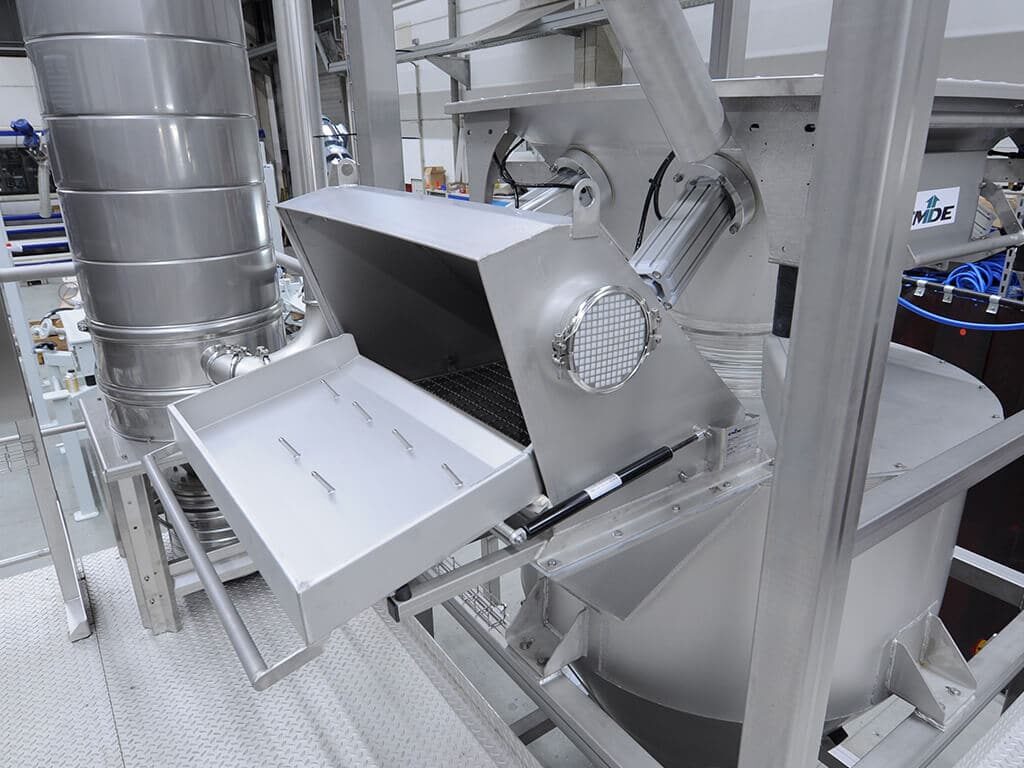
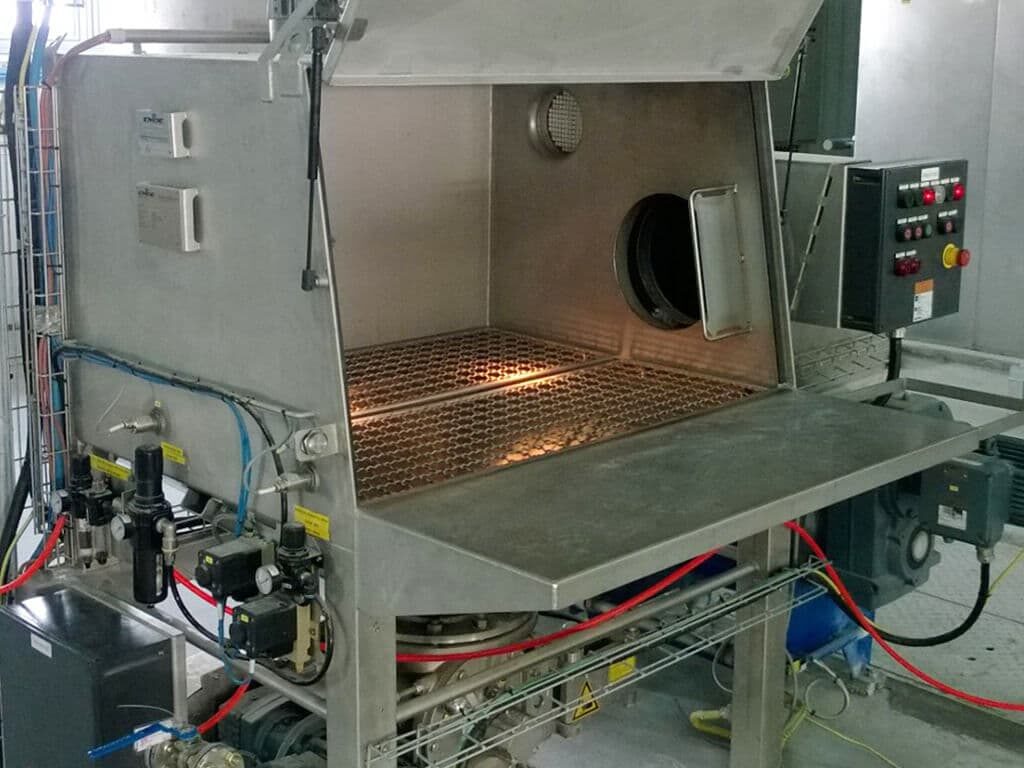
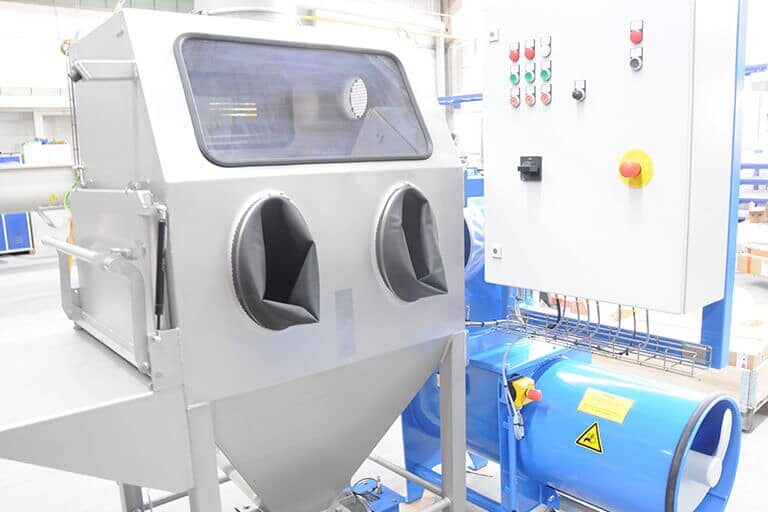
Small Bag (Sack) Emptying Stations are used to introduce materials from manually handled sacks into the process in a controlled and clean manner. They are typically installed at the beginning of a production line or at dosing points where flexibility in raw material input is required.
The stations are designed to allow operators to open and discharge bags safely, while minimizing dust release into the surrounding area. Material is emptied into a receiving hopper and directed toward downstream equipment such as feeders, conveyors or mixers.
To support consistent flow, especially for fine or cohesive powders, the systems can include integrated extraction units, vibration, or flow aids that prevent material buildup. Dust generated during emptying is captured through filtration or aspiration connections, helping maintain visibility and cleaner working conditions.
Such solutions are commonly used in environments where multiple raw materials are handled manually, providing a practical interface between bagged products and automated processing lines.
Small Bags products
Industries we serve
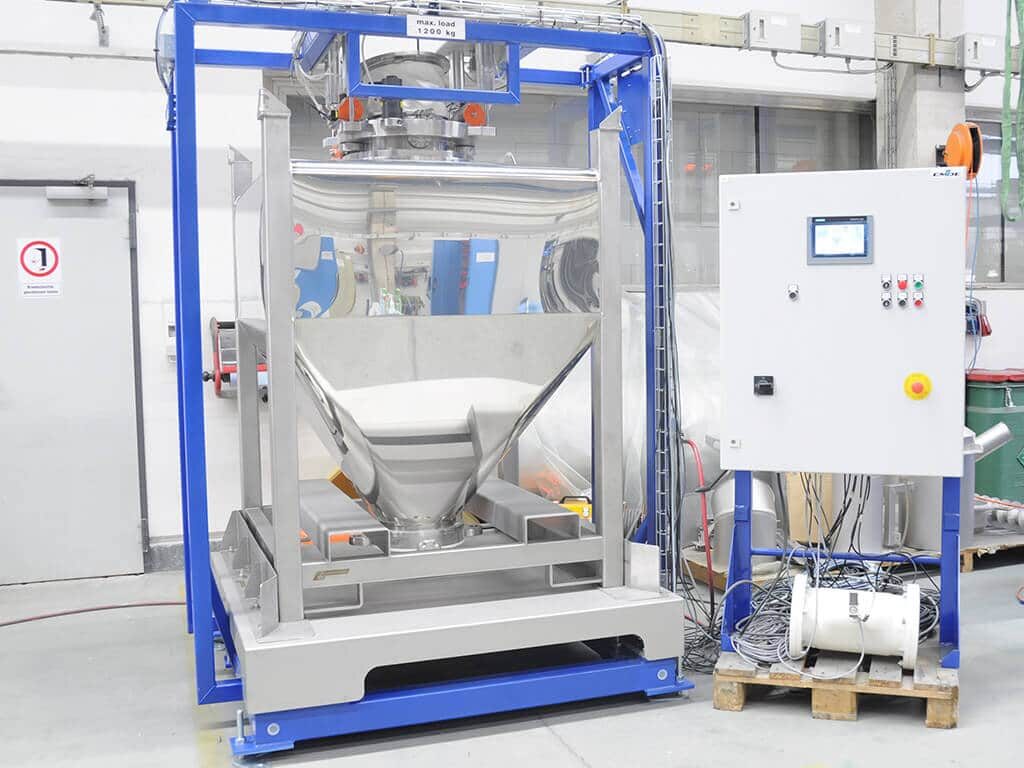
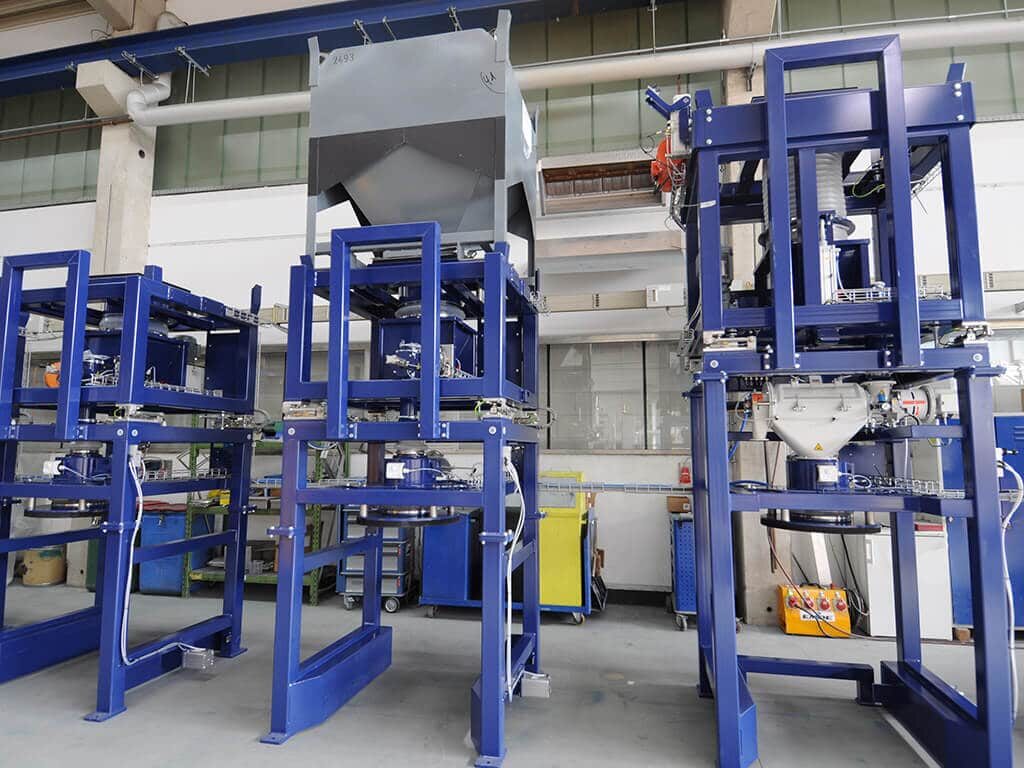
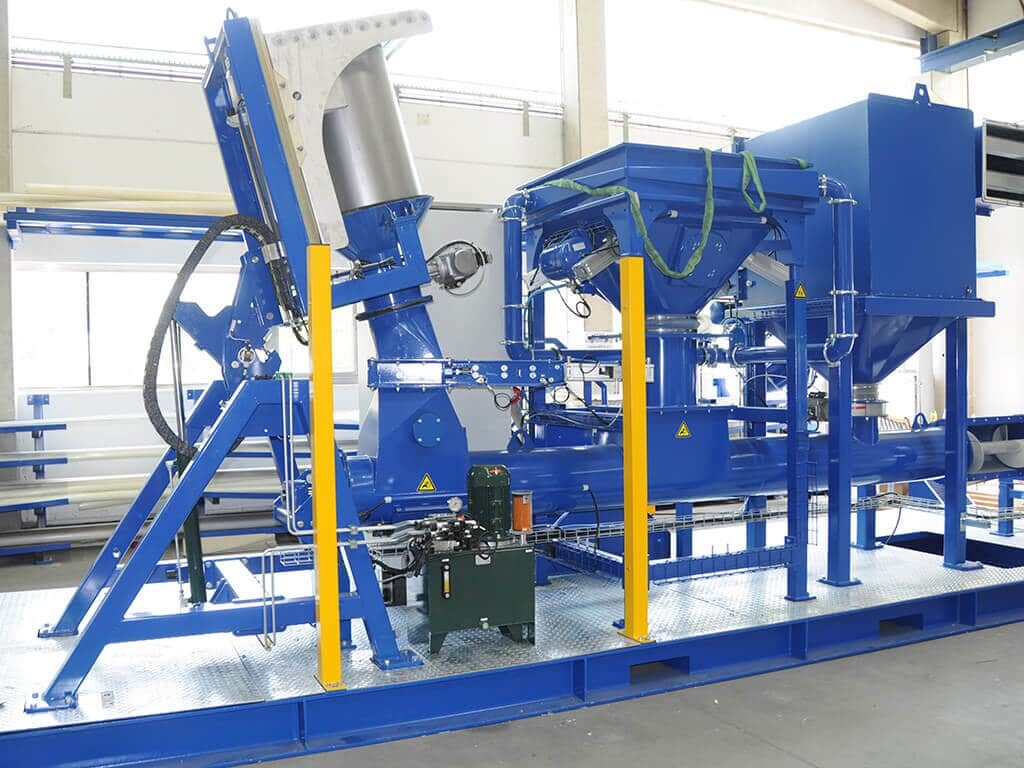
Container, Drum & Octabin Stations are used for handling bulk materials in larger rigid packaging formats, providing a practical solution for both receiving and dispatching products within the process. They act as controlled interfaces between storage, transport and production, ensuring that material transfers remain stable and contained.
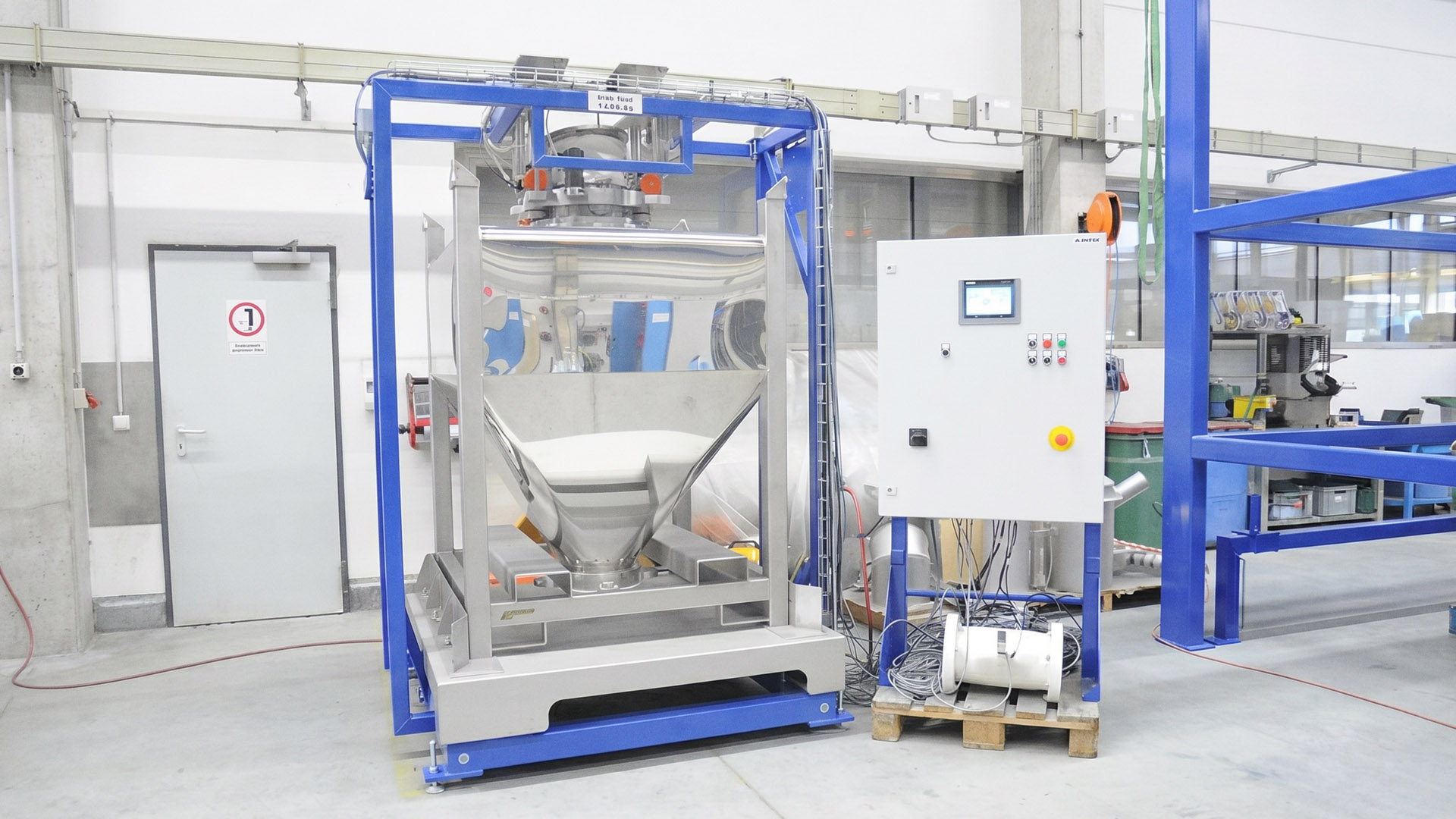
For emptying applications, the systems allow material to be discharged from containers, octabins, or similar units into downstream equipment. Depending on the product, the design can include tilting frames, discharge hoppers and flow-promoting devices to support consistent emptying, especially when handling powders that tend to compact or bridge. Integration with conveying or feeding systems ensures a smooth transition into the next process step.
For filling operations, stations are designed to load containers in a controlled manner, ensuring even distribution and avoiding overfilling or segregation. This is particularly important for maintaining product quality and optimizing transport efficiency. Filling can be combined with weighing systems to monitor quantities and keep the process within defined limits.
These solutions are commonly applied when handling larger packaging units, offering a structured and repeatable way to manage material flows, while reducing manual handling and improving overall process organization. Such systems can attain a very high degree of automation, depending on your need.
Container Units products
Industries we serve
Frequently Asked Questions
What is a big (bulk) bag unloading station?
A big bag unloading station is a system designed to safely support, open and discharge bulk bags into downstream equipment. It provides controlled material flow into hoppers, conveyors, mixers or pneumatic conveying lines while helping reduce dust, product loss and manual handling.
How to choose the correct features for a big bag (bulk bag) unloading unit?
Choosing the correct features for a big bag unloading unit depends on bag size and weight, material flow behaviour, required discharge rate and downstream process. Consider lifting method, dust-tight docking, flow aids, integrated weighing, bag massaging, outlet control, hygiene requirements and ATEX protection for safe, reliable unloading.
Which are the advantages of using big bag filling units?
Big bag filling units provide controlled, efficient filling of bulk materials into FIBCs. Key advantages include reduced dust and product loss, improved operator safety, consistent bag weights, lower manual handling, faster packaging, better use of storage and transport capacity, and easier integration with weighing, dosing and conveying systems.
How to correctly configure a big bag (bulk bag) filling unit?
Choosing the correct features for a big bag filling unit depends on bag size, target weight, material behavior, filling rate and handling method. Consider integrated weighing, telescopic filling spouts, dust-tight sealing, bag inflation, product densification, height adjustment, pallet handling, hygiene requirements and ATEX protection.
How to promote material flow from big bags (FIBC) or small bags?
Promoting material flow from big bags or small bags requires secure discharge and controlled product movement. Inflatable Spout Seals & Dust-Tight Docking prevent leakage during connection. Integrated Weighing & Telescopic Fill Spouts improve dosing and positioning, while Flow Aids — Massage Paddles, Vibration & Fluidization help release compacted or poorly flowing materials.
Our Partners


















Contact Us
We look forward to discussing with you!