INDUSTRIAL
TECHNOLOGIES
Our technology scope covers the entire bulk material handling process: raw material reception, silo unloading, conveying, separation, dosing and flow control, through to the final delivery of end products in small bags, big bags or by bulk loading into trucks.
See all Industrial Technologies
 Magnetic Separation Equipment

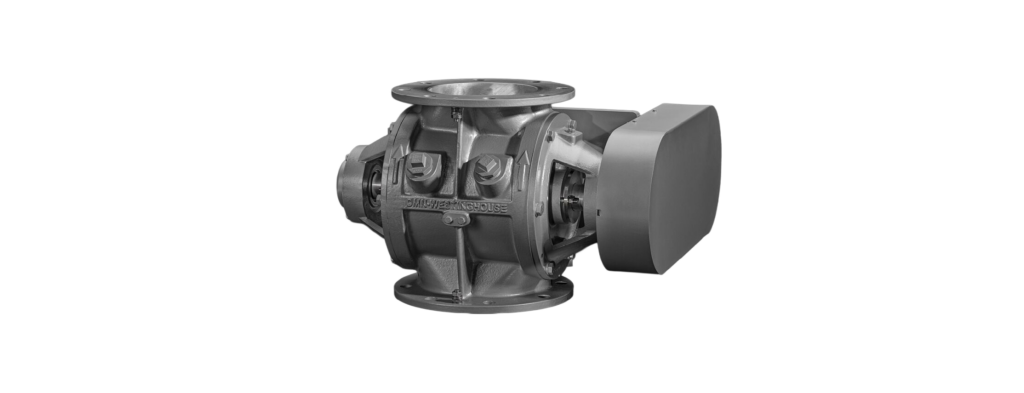
 Rotary Valves

 Weighing & Feeding Systems

 Dust Filters & Industrial Vacuum Cleaners

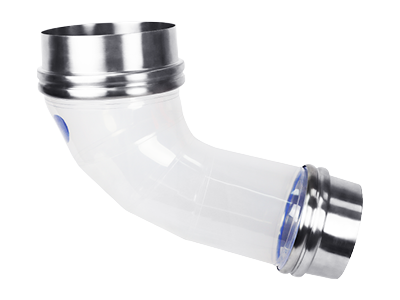
 Loading Chutes

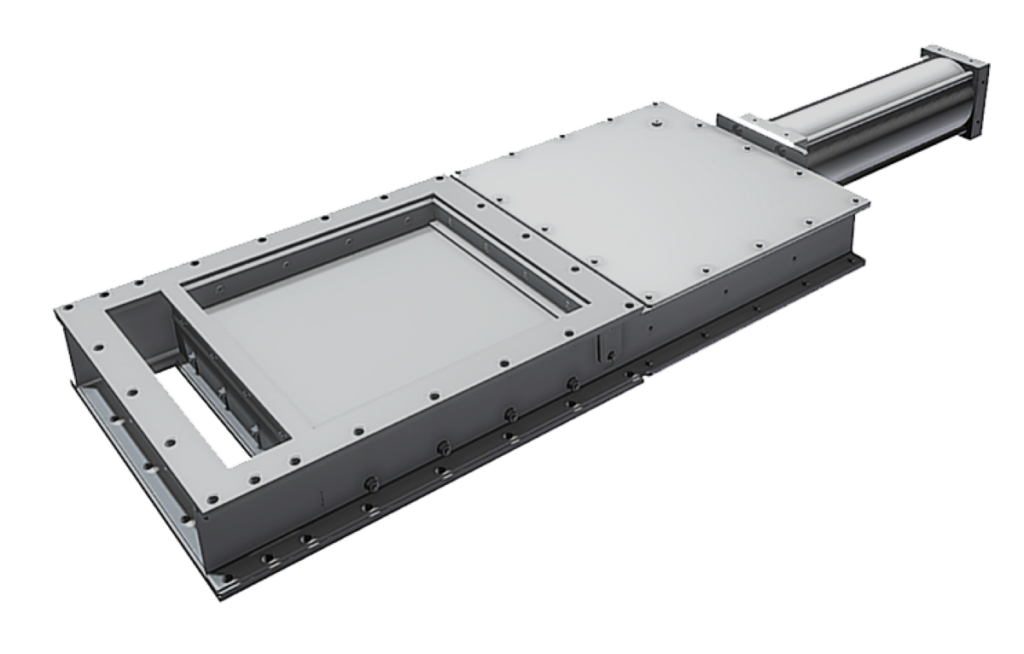
 Slide Gate Valves

 Vibrating Equipment

 Mecanical & Pneumatic Conveying

 Filling & Emptying Systems

 Packaging, Palletizing, Wrapping Systems
Magnetic Separation Equipment
Industrial magnetic separators that remove ferrous and tramp metal contaminants from bulk materials, protecting downstream equipment and product purity.
Magnetic separation systems are used to extract ferrous and weakly magnetic contaminants from bulk materials during processing. Their main role is to protect downstream equipment from damage, reduce wear, and maintain product purity in industries such as food processing, plastics, recycling and grain handling.
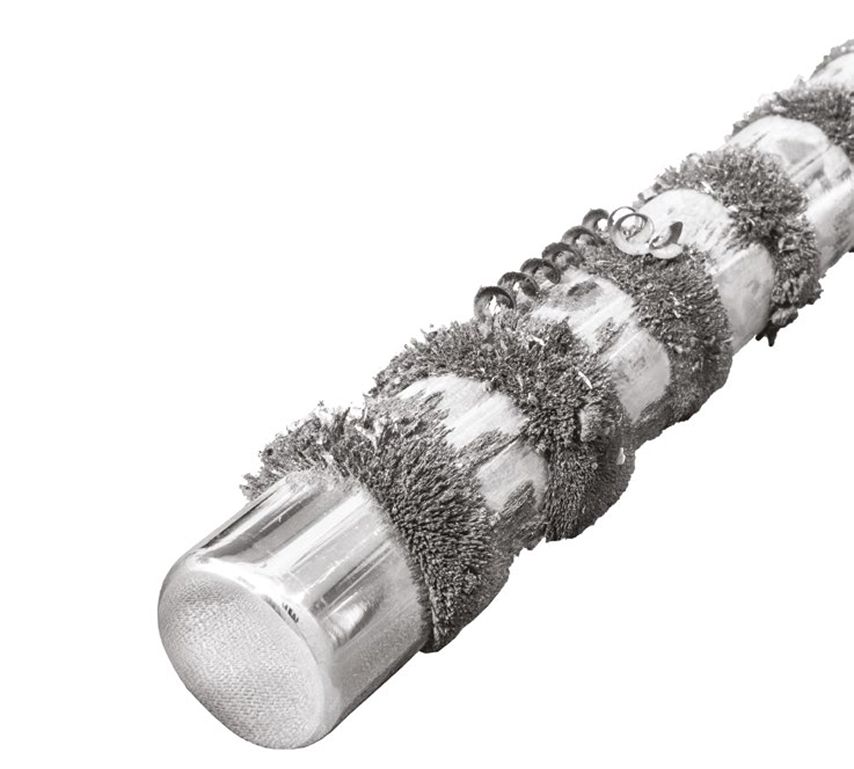
The technology is based on the use of high-strength permanent magnets (ferrite or neodymium) integrated into different types of equipment, including magnetic grids, plates, drums and inline separators. As the material passes through the magnetic field, metallic particles are attracted and retained on the magnetic surface, while the cleaned material continues its flow without interruption.
These systems can be installed at various points within the process, such as free-fall chutes, pneumatic conveying lines or discharge points. Depending on operational requirements, solutions range from manually cleaned units to automatic, self-cleaning separators designed for continuous operation.
How to select a magnetic separator
Correct selection depends on the required magnet strength and the choice between ferrite and neodymium (rare earth), together with particle size, material flow characteristics and flow rate. These factors determine how effectively contaminants can be captured and the separation efficiency achieved, helping ensure reliable, consistent performance within the overall handling system.
Types of industrial magnetic separators
Grate/grid magnets, plate & hump magnets, tube & bar magnets, inline & bullet magnets, drum & pulley magnets , suspension & overband magnets, liquid trap magnets, free fall gravity chutes. Some of these types can be featured with self-cleaning (automatic), while others are manually cleaned.
Applications
Installation points & feed methods, free-fall / gravity chutes, pneumatic conveying lines, discharge & transfer points.
Products Subtitle
Frequently Asked Questions
What is a bulk material handling system?
A bulk material handling system is the integrated set of equipment that receives, stores, conveys, separates, doses, filters and packages dry bulk materials — powders, granules, pellets, aggregates or any other bulk material — throughout a production process: from raw-material reception to final loading.
What equipment is included in a bulk material handling system?
Typical equipment for bulk material handling includes magnetic separation, slide gates, rotary valves, vibrating equipment, weighing & feeding, mechanical & pneumatic conveying, dust filters & vacuum cleaners, filling & emptying stations, loading chutes and packaging/palletizing/wrapping — plus components like flexible connectors, pipework and wear protection.
Which industries use bulk material handling equipment?
The bulk materials handling equipment are used across food & dairy, grains/feed/pet food, plastics & rubber, chemicals & fertilizers, recycling, and building materials & metals — anywhere dry bulk solids must be moved, dosed and processed safely and without dust.
What is bulk material handling?
Bulk material handling is the movement and processing of solid materials in loose form — powders, granules, flakes and pellets — rather than liquids or packaged goods. It requires equipment engineered for flow control, dust containment, wear resistance and (where needed) ATEX/hygienic compliance.
Contact Us
We look forward to discussing with you!