
INDUSTRIES
ROCOM designs and delivers bulk material handling and powders processing systems that keep materials moving efficiently. From hygienic food and dairy applications to wear-resistant building materials and recycling plants, we reduce dust, bottlenecks and downtime.
See all Industries
Plastics & Rubber
Contamination-free conveying, processing and packaging for polymer pellets, powders, regrind and rubber crumb
Bulk plastics materials handling for polymer pellets, engineering resins, PVC powder, regrind, carbon black and synthetic rubber crumb requires systems that protect product purity and maintain reliable flow.
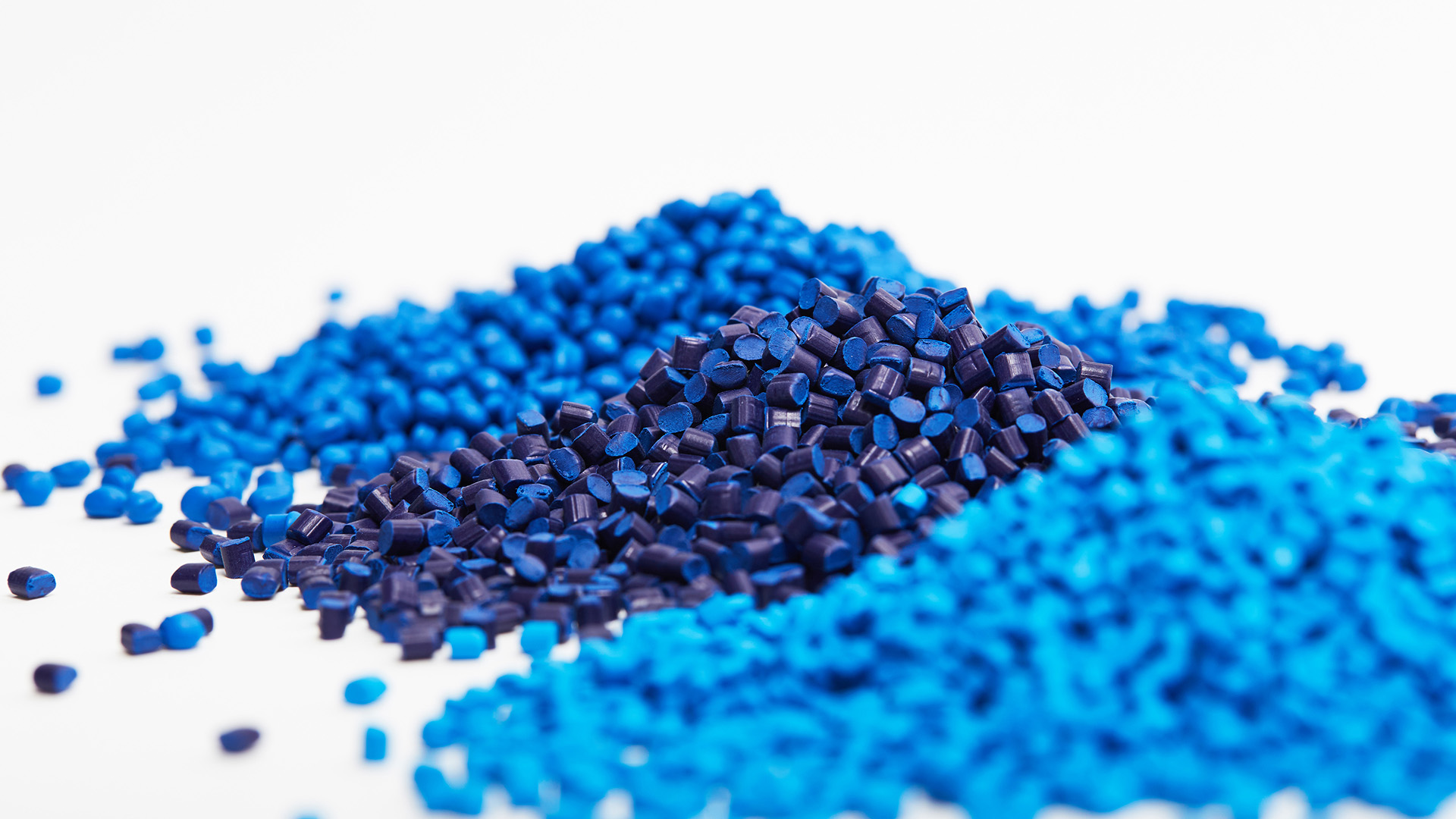
Our solutions cover plastic pellet conveying, resin handling systems, rubber crumb and regrind handling, bulk bag unloading, FIBC filling and emptying, masterbatch dosing with loss-in-weight feeders and inline magnetic separation for plastics. Special attention is given to dust control, contamination prevention and angel hair or streamer prevention when conveying PE and HDPE pellets.
Materials We Handle — Pellets, Powders, Regrind or Rubber Crumb
Materials handled include PE, HDPE and PVC pellets, engineering resins, masterbatch, additives, fillers, powders, flakes, regrind, carbon black and synthetic rubber crumb. Each material behaves differently during storage, conveying and dosing, so the system must maintain reliable flow, prevent contamination and dust release, protect product quality and support stable production.
Non-Degrading Conveying & Process Flow Control
Non-degrading conveying and process flow control protect fragile pellets, regrind, flakes and rubber crumb during transfer, dosing and discharge. Correct conveying velocity, smooth pipework, suitable bends and controlled feeding help reduce breakage, fines, angel hair and material segregation while maintaining consistent flow, product quality and reliable downstream processing.
Pneumatic & Mechanical Conveying for Polymers
To transport polymer pellets and fine powders without material degradation, our pneumatic conveying systems utilize dilute or dense-phase transport with specialized internal surface treatments to prevent friction-induced heat. This completely eliminates the formation of “angel hair” or streamers that clog lines. For masterbatches and rubber compounding additives, our enclosed mechanical conveying lines ensure safe, dust-tight transfer.
Wear-Protected & Ceramic-Lined Process Piping
High-speed pneumatic routing of fiberglass-filled resins or highly abrasive rubber crumb causes severe pipe erosion. We utilize specialized wear protection piping featuring processed internal areas or ceramic-lined bends to resist abrasive wear while keeping the material stream completely free from metal flake contamination.
Slide Gates, Rotary Valves & Diverters
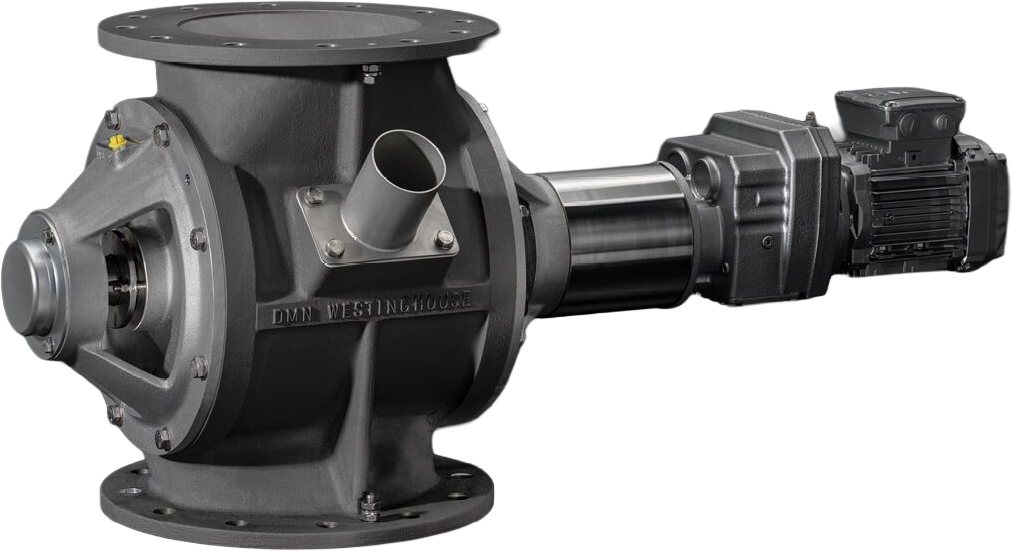
Our rotary valves feature quick-demount rotors to eliminate cross-contamination between batches. Accompanying pneumatic slide gates and multi-port diverters provide positive, airtight isolation and reliable stream routing beneath blending silos and extruders without trapping pellets in the seals.
Separation, Screening & Precision Blending
Vibrating Screens
Positioned directly after extruders or underwater pelletizers, our high-frequency vibrating screens efficiently dewater and classify polymer pellets, removing oversized agglomerates, longs and fine particulates to ensure a uniform, market-grade product size.
Weighing, Dosing & Feeding Equipment for Compounding
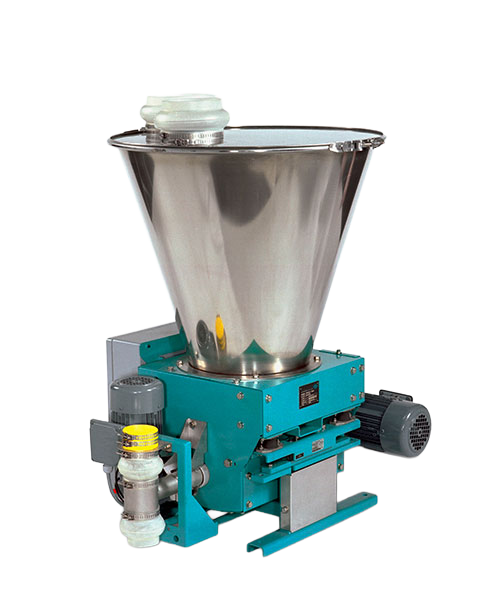
For complex compounding and masterbatch lines, our high-precision loss-in-weight feeders and gravimetric weighing equipment provide continuous dosing of resins, colorants and plasticizers, ensuring exact recipe consistency and preventing material waste.
Inline Magnetic Separation for Purity Assurance
To maintain strict automotive and medical-grade purity standards, high-intensity magnetic separators are integrated inline to continuously extract ferrous contaminants from plastic flakes, regrind and additives.
Dust-Free Containment & End-of-Line Packaging
Big Bag Filling & Emptying Units
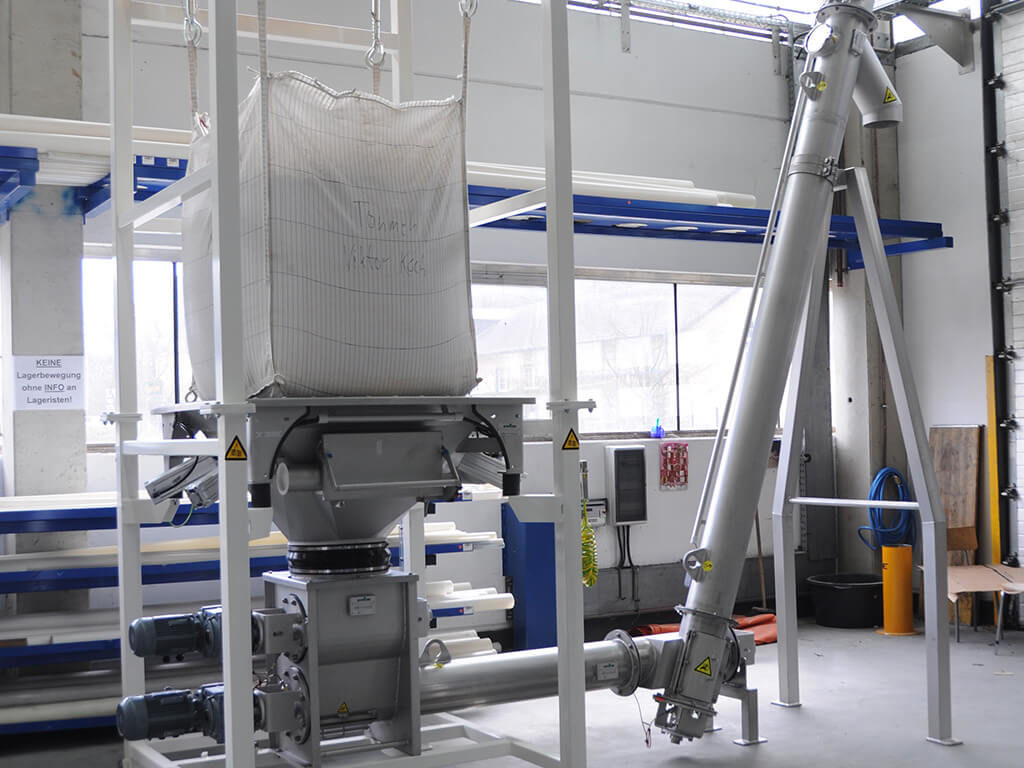
Managing raw polymers and carbon black in bulk bags requires specialized handling. Our FIBC emptying stations use pneumatic massage paddles to overcome the bridging tendencies of sticky rubber crumb or fine PVC powder, while our filling stations utilize inflatable, dust-tight neck seals to ensure safe, clean filling.
Telescopic Loading Chutes
For high-volume logistics, our telescopic loading chutes extend directly into bulk railcars or tanker trucks. They utilize internal double-wall cones and negative pressure dust collection to enable high-speed gravity loading while completely preventing light polymer pellets from escaping into the environment.
Packaging, Palletizing & Wrapping
To prepare finished plastics and compounding materials for global shipping, automated packaging lines form and seal products into moisture-barrier bags. These are fed to automatic palletizers that assemble perfectly square stacks despite fluctuating bulk densities, followed by automated stretch-wrapping or stretch-hooding units that apply multi-layer film tension for maximum load stability and weatherproof yard storage.
Plastics & Rubber Solutions
Bulk Handling Technologies for Plastics & Rubber
- Magnetic Separation Equipment
- Slide Gate Valves
- Rotary Valves
- Vibrating Equipment
- Weighing & Feeding Systems
- Dust Filters & Industrial Vacuum Cleaners
- Mechanical & Pneumatic Conveying
- Filling & Emptying Systems
- Loading Chutes
- Packaging, Palletizing & Wrapping Systems
Frequently Asked Questions
What is plastic material handling?
Plastic material handling is the conveying, storage, screening, dosing and packaging of polymer pellets, powders, regrind and rubber crumb between process steps — from raw-material reception and silo storage, through pneumatic or mechanical conveying to extruders and blending lines, to final dosing, weighing and end-of-line packaging. Well-designed plastic material handling systems prevent contamination, dust and "angel hair" (streamers), and protect product purity for automotive- and medical-grade applications.
How do you prevent "angel hair" and streamers when conveying plastic pellets?
Angel hair forms when pellets overheat from friction against pipe walls and bends. ROCOM prevents it with correctly sized dilute- or dense-phase pneumatic conveying, controlled line velocities, and specialized internal surface treatments or ceramic-lined bends that reduce friction-induced heat — keeping lines clean and product market-grade.
Which materials can ROCOM's plastics & rubber systems handle?
The systems handle polyethylene (PE/HDPE) pellets, PVC and other powders, regrind and flakes, carbon black, engineering resins, masterbatch and additives, and synthetic rubber crumb — including sticky, bridging or highly abrasive materials that need massage paddles, wear protection or anti-friction surfaces.
How is contamination and metal removed from plastic and rubber streams?
Inline high-intensity magnetic separators continuously extract ferrous contaminants from flakes, regrind and additives, while quick-demount rotary valves and screens prevent cross-contamination between batches — meeting strict automotive- and medical-grade purity standards.
Can the systems handle both bulk storage and end-of-line packaging?
Yes. ROCOM covers the full chain — silo and big-bag (FIBC) filling and emptying with dust-tight neck seals, loss-in-weight dosing for compounding, telescopic loading chutes for railcars and tankers, and automated packaging, palletizing and stretch-wrapping for finished pellets and compounds.
Our Partners


















Contact Us
We look forward to discussing with you!